Issues Magazine— Nicola Hamilton
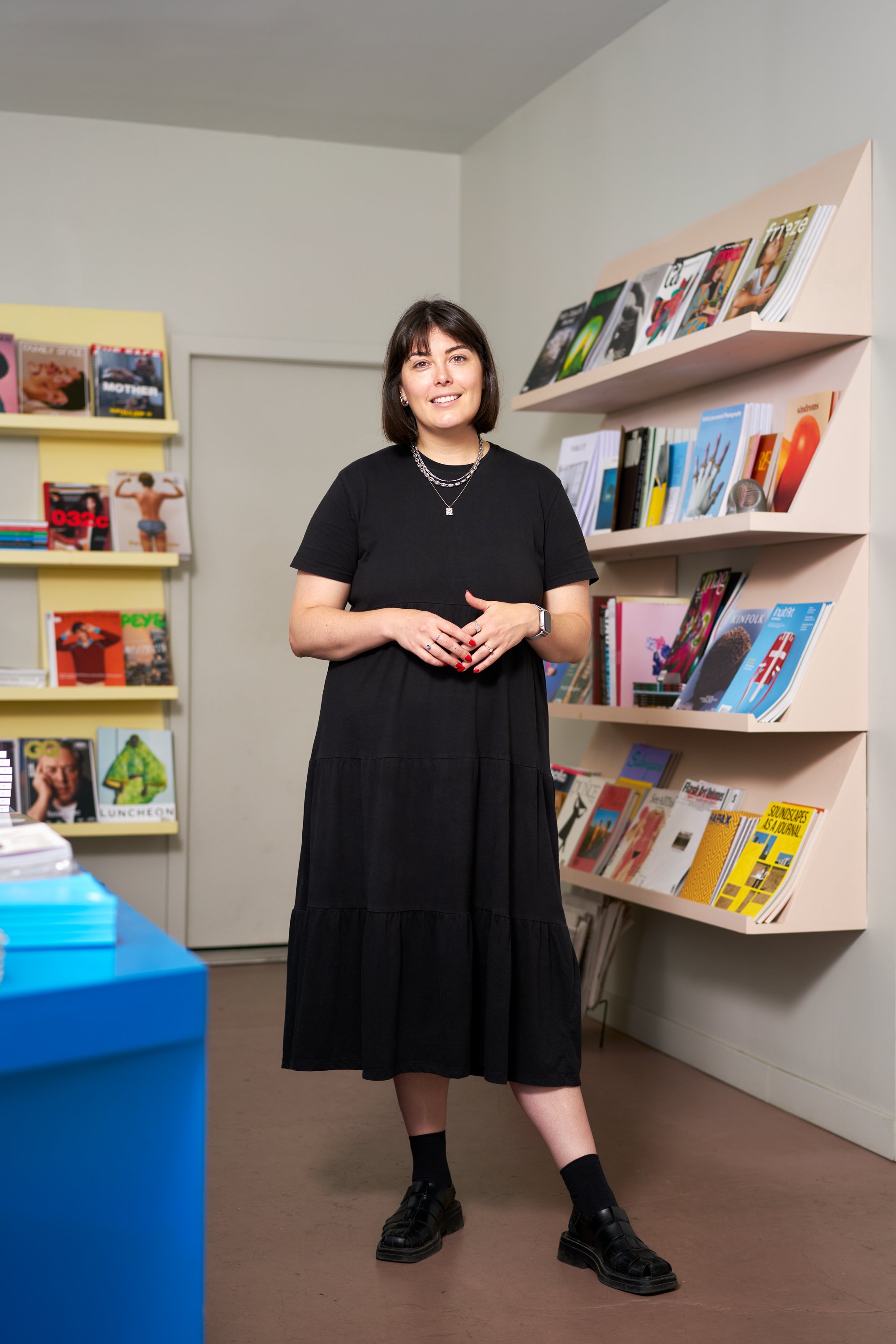
When I reached out to Nicola, it was because I’d been following how she brings people together through print — a rare, purpose-driven, in-person community. A small business often reflects its founder’s personality, and Issues is no exception. Nicola’s curiosity, care, and creativity shine through the community she’s building and the gatherings she hosts.
She hosts collage workshops, portfolio reviews, zine fairs, and recently brought Cover to Cover, a mini-magazine conference, to Toronto. I wanted to understand what these gatherings are designed to do, and why Nicola continues to invest so much care into real-life connections.
Along the way, we chatted about her love of Grape Witches and how magazines are the perfect hosting gift.
What inspired you to start the event side of your business?
Nicola: I always knew there would be an event side to Issues. We’ve always set out to create a sort of clubhouse, a gathering or third space that exists to celebrate printed magazines. The shop itself was never going to be big enough to hold all the energy we imagined. At first, we mostly hosted other people, local magazines launching in our space, and seeing the community gather was really validating.
Our own events grew organically. The collage workshops, facilitated by the artist Alanna Chelmick, for example, started as a way to repurpose magazine waste from distribution. I spoke with collage artist Elena Chalmick, who had lost her space during the pandemic, and we decided to bring workshops into the store. Three years later, they happen twice a month, almost always sell out, and have grown into larger collage parties where we can showcase other artists.
Other events came from community needs. Portfolio reviews were born because artists wanted to meet the people who hire them without cold emails. Cover to Cover arose from independent publishers seeking a space to share resources and connect. Zine Shine, our annual zine festival, was designed so creators would not have to pay upfront or staff a table, we sell their work and take a percentage.
Why is this kind of community work important to you?
Nicola: Selling magazines is the business, but the mandate has always been supporting the people and projects that keep print alive. Magazines are stories about people, and the events are a way to energize our audience, lift up the community, and welcome new people into it.
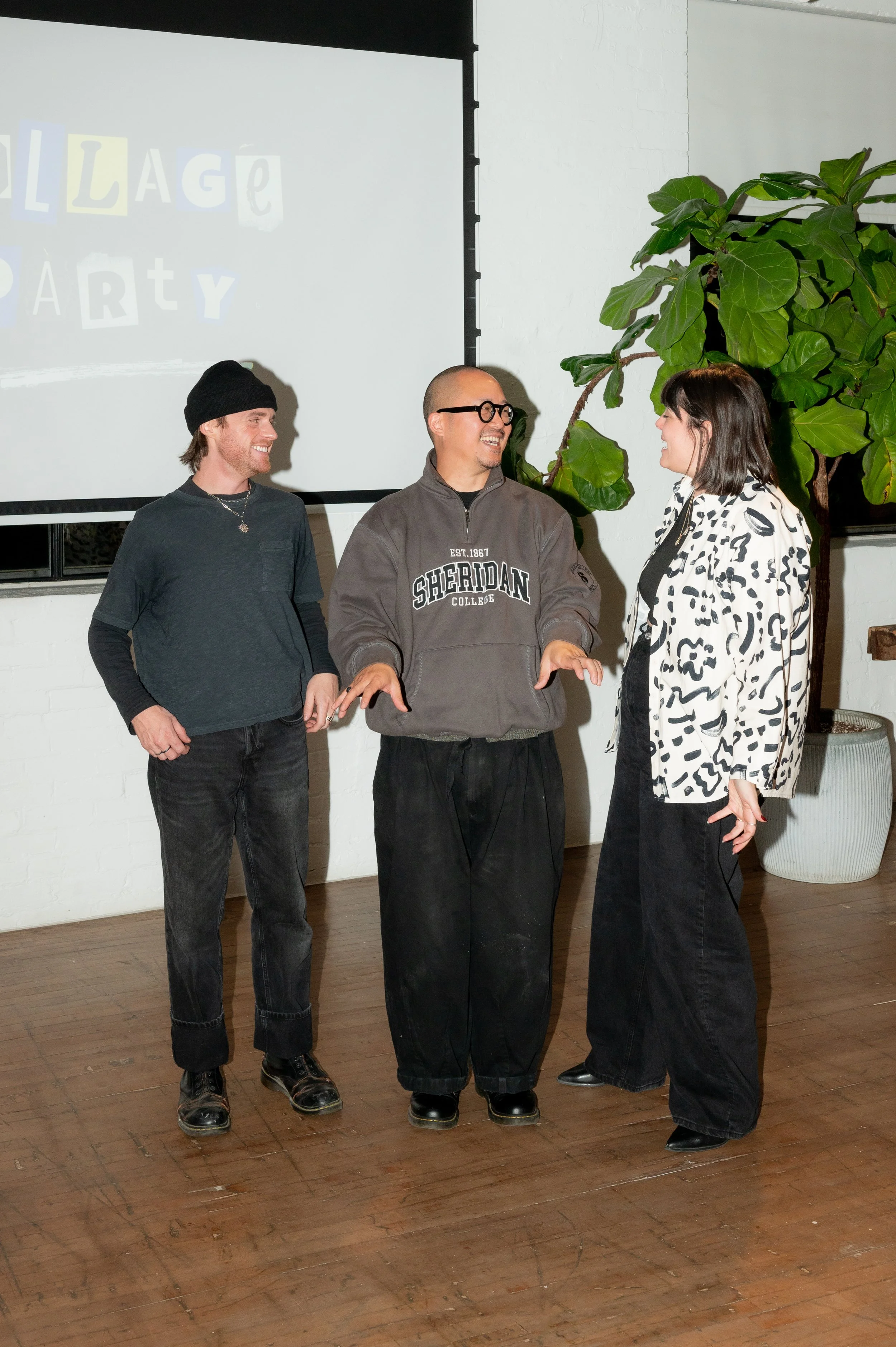
“So many of our ideas came directly from community needs, a need is voiced, and we ask, how can we help in a way that’s actually useful?”
What’s the ROI, for your mission or your business?
Nicola: Events are designed to at least break even, ideally make a little profit, and staff are paid. But the bigger return is in community-building. The more print lovers we connect, the stronger the audience. The more independent publishers we support, the stronger the ecosystem.
Even expensive portfolio reviews are worth it if artists get paid work. It ultimately benefits the entire magazine ecosystem, more work, more magazines, more vibrancy for everyone.
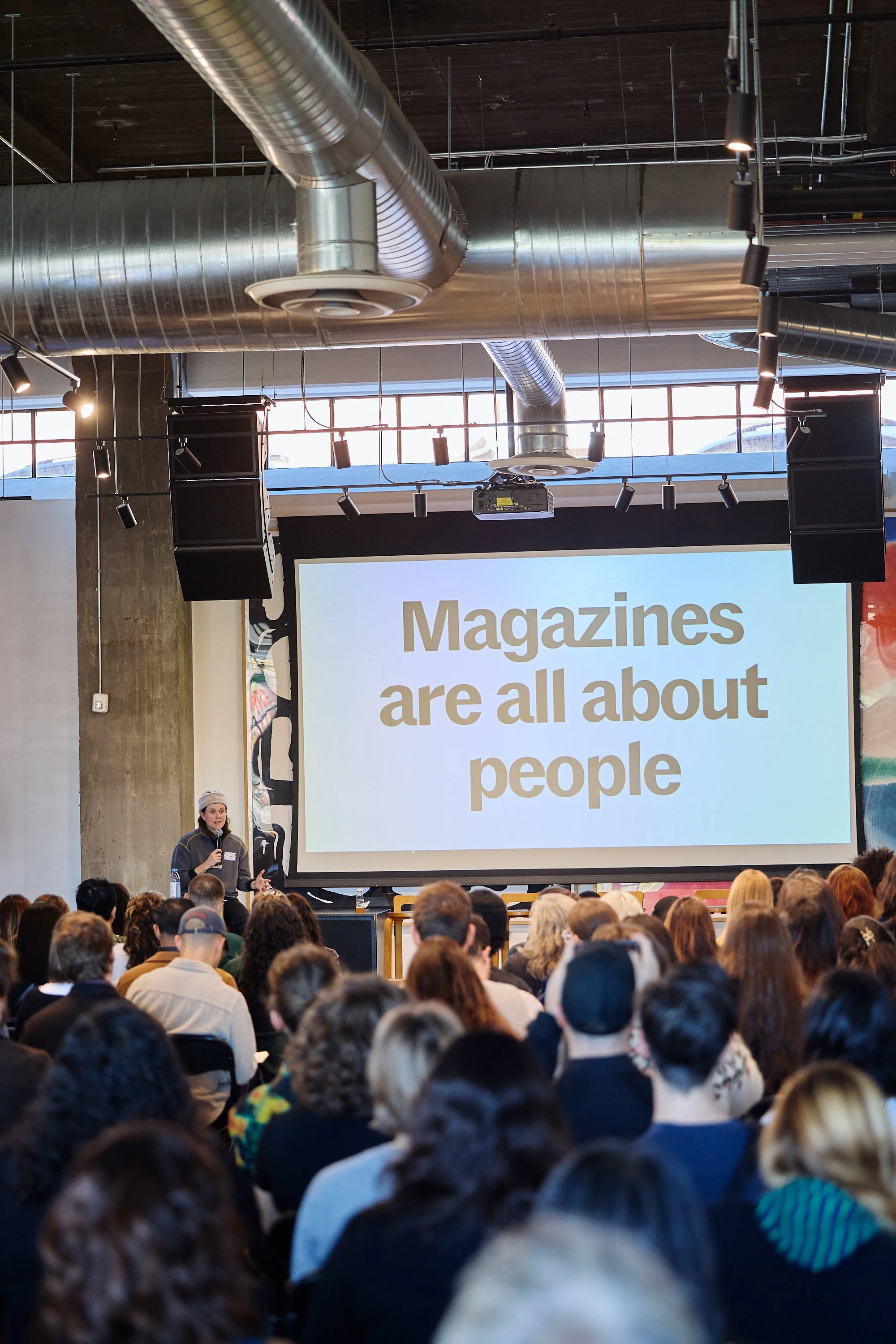
“Rising tides raises all ships.”
What are people looking for when they come to your events?
Nicola: People go to evets for knowledge exchange, you go to learn or experience something, but I think you also go to make connections, to belong. Events help people understand their place in the world.
And something I learned a long time ago about events is that people meet you where you’re at. If you’re willing to show up as yourself, others feel safe to do the same.
Is there a moment you’re especially proud of?
Nicola: Our Independent magazine conference, Cover to Cover was a long-time goal. This year, everything fell into place, partnerships, timing, and the community responded. About 125 people attended, and the feedback was incredible. It felt like this is exactly what we built Issues to do.
We also now have a potential presenting sponsor for next year, which is a great step forward. Like that just felt like such a big win, because the mandate is so aligned for us.
What’s one piece of advice you’d give small business owners starting events or building community?
Nicola:
Start small by using the space and resources you already have. Events get expensive quickly. Find great partners. Our events succeed because of collaborators, East Room, Grape Witches, Pasta Forever, artists, and creatives who bring expertise and energy.
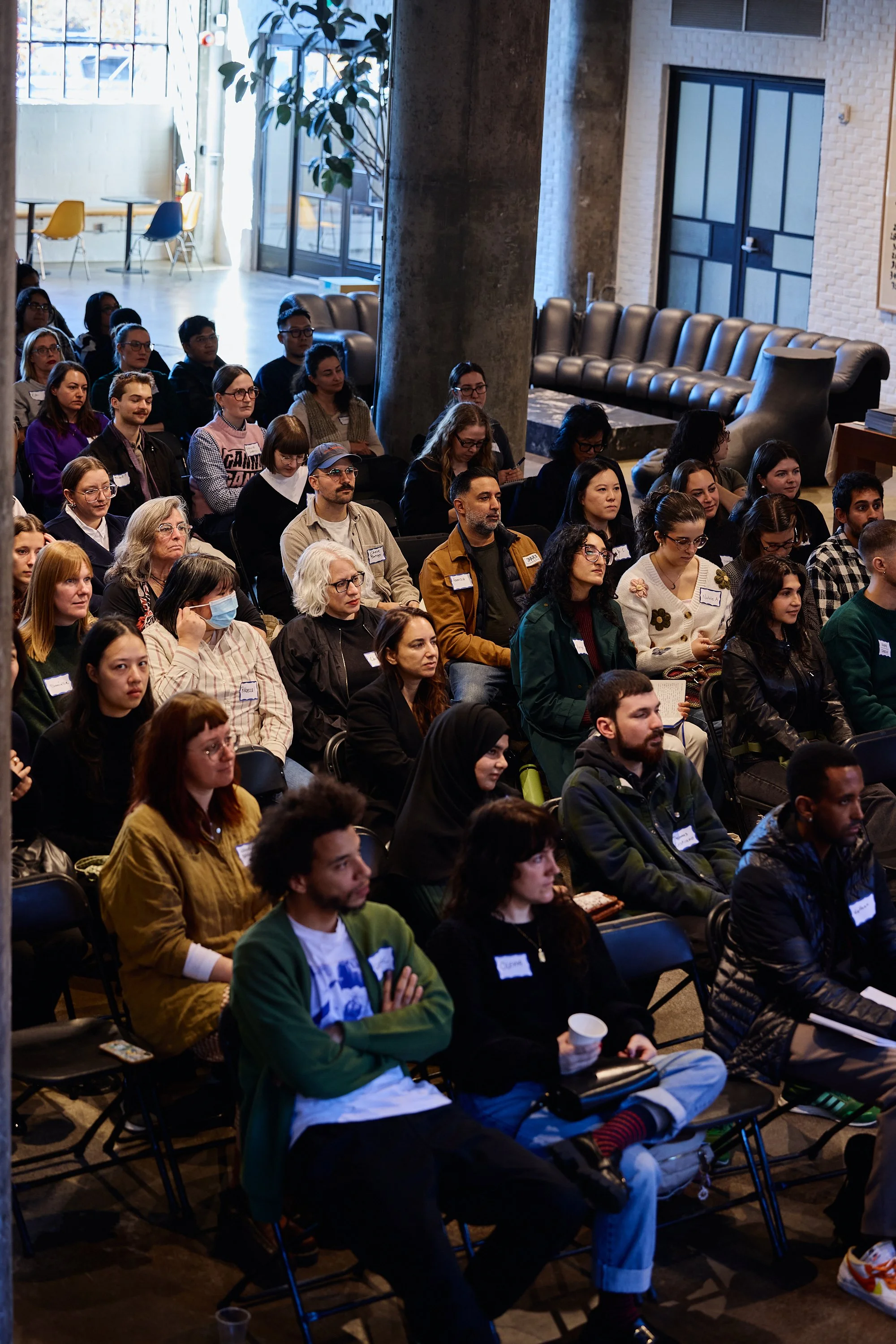
“If you’re starting out with community events; start small, find great partners and listen for your communities needs”.
Who else is doing community events well?
Nicola: I do love a Grape Witches event. I’m also involved with the Association of Registered Graphic Designers (RGD) Events. I’ve learned a lot from their large-scale Graphic Design conference, DesignThinkers, which happens annually in Toronto and Vancouver and has been going strong for 25 years. Creative Mornings was also one of my favorite event organizers in Toronto for a long time. They went on a brief hiatus, but I’m hopeful they’ll return as a major community resource.
How can people support print?
Nicola: Go buy a magazine and leave it on your coffee table. They also make great hosting gifts! Magazines have been part of the cultural fabric for decades, but we’ve been hearing “print is dead” for 40 years. Buying a magazine pushes back against that narrative and keeps the ecosystem alive. Supporting print means paying for content, sharing publications with friends, and showing them off.
If you want to support local, some of my favourites made in Toronto include Bully, Feels Zine, Darby, and Chutney. Globally, MacGuffin is a personal favourite, deeply researched and beautifully produced, each issue exploring a different inanimate object.
This interview was edited for length and clarity.
