Waterworks Food Hall— Dayna Goldhar
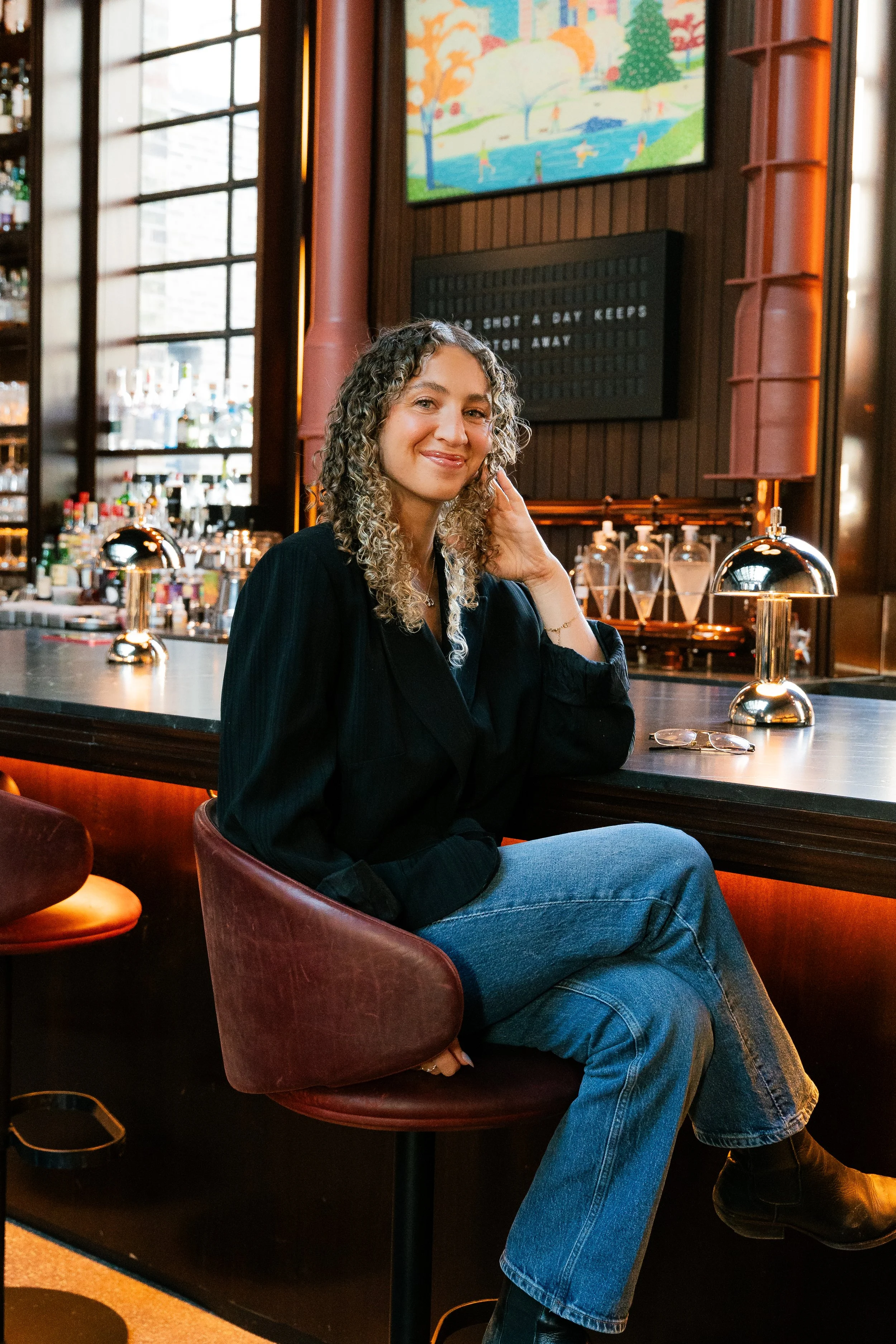
In a city where community spaces are increasingly precious, Waterworks Food Hall stands out. Not just as a place to eat, but as an ambitious experiment in how we gather. The rehabilitated heritage building houses over 20 world-class restaurants and bars alongside thoughtfully programmed experiences, from craft raves to late-night art installations.
I sat down with Dayna Goldhar, Director of Marketing and Partnerships at Waterworks, to understand how it all comes together. We talked about the hunger for creative connection and why programming a physical space requires the same rigor as selecting the restaurants themselves.
Tell me about your role at Waterworks.
Dayna: I oversee all of our marketing channels, any partnerships that come through—sponsorships, brand activations—and our cultural and community programming. That includes how we show up within citywide programming, how we build our own experiences, and how everything connects back to the culinary aspect of the food hall, which is obviously the bread and butter.
How does programming support Waterworks' bottom line?
Dayna: Events are a creative way to bring new people into the space. Especially as a new venue, it's not just about awareness—it's about experiencing the space. The experiences you put into that space are a way to show it at its best and at its highest capacity.
Our main goal is always to support the restaurants and bars in the food hall—they're independently owned and operated, and their success is our success. We keep that in mind with every program, whether we're baking gift cards into event tickets or integrating our culinary partners directly into the experience.
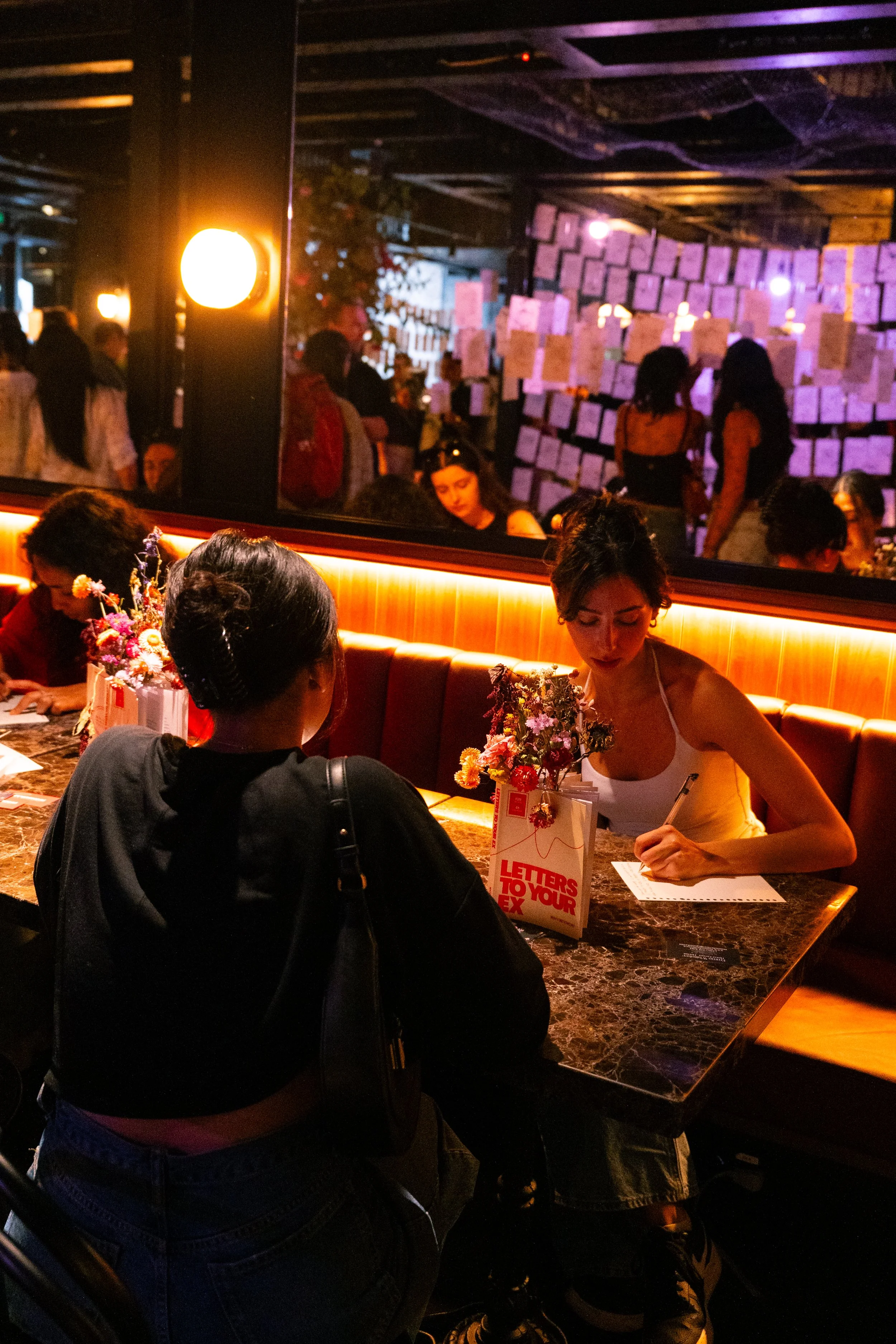
“We have so many tucked-away spaces, so events perform really well when people feel like they're uncovering something new”.
What kinds of experiences are resonating most with people right now?
Dayna: We're very much still in a test-and-learn phase, but experiences around arts and culture have seen the strongest response, and anything involving exploration and discovery performs really well. We have so many tucked-away spaces, so events perform really well when people feel like they're uncovering something new.
We participated in Nuit Blanche last year for the first time, and it ended up being our most highly attended night—granted, it was free, but we had the doors open all night, four interactive art installations, bars open, and food service until 2–3 a.m. Sales were great, and we got a ton of media coverage. There was no signage, no strict rules. People just came in, explored, grabbed a drink, and discovered the space. We posted a map on social, but otherwise it was very organic.
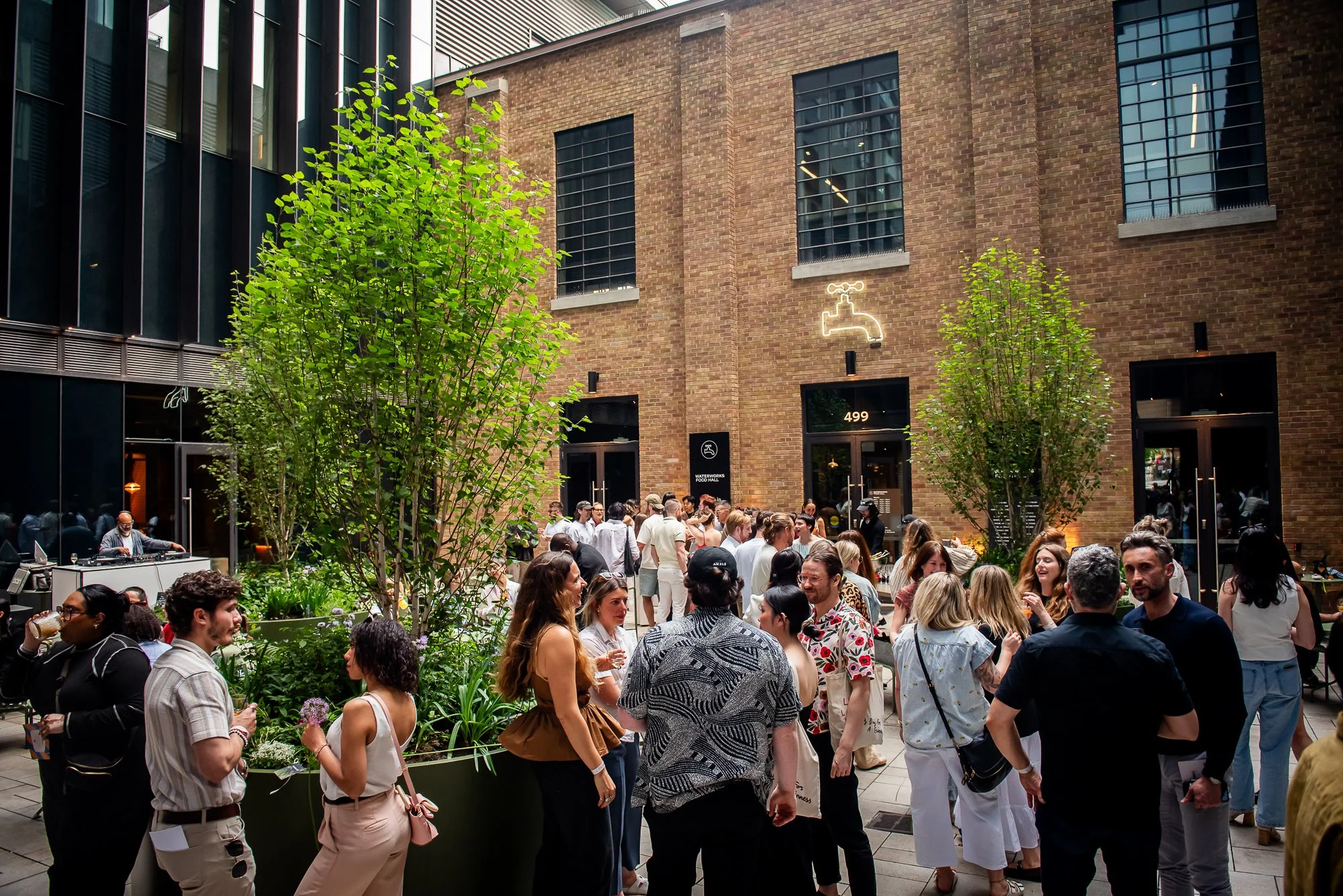
“There's a real craving for creative inspiration, connection, and getting outside your bubble.”
So would you say it's creativity people are seeking?
Dayna: Yes—engaging, creative experiences that get people talking. We programmed a “Craft Rave” in collaboration with some popular creatorsand people came alone, sat down next to strangers, and made friends over music, wine from Grape Witches, and knitting. There's a real craving for creative inspiration, connection, and getting outside your bubble.
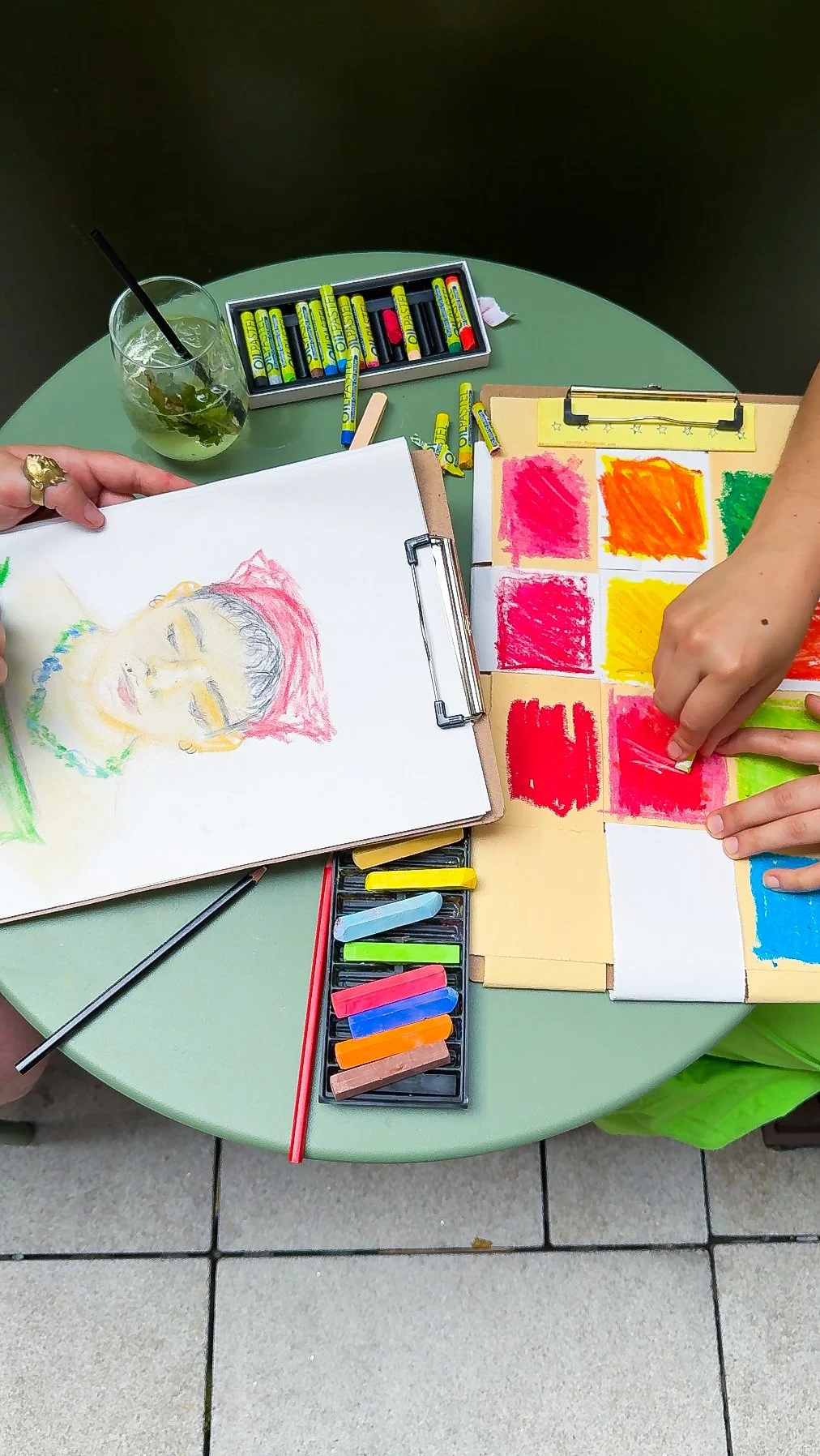
We also ran Snack & Sketch in the courtyard in the summer with Slow Night. People bought food from Waterworks restaurants, then used it as inspiration for sketching. Every session sells out around 50 tickets each time. Anything that ties the space's offering into something creative and interactive really resonates. It also removes the pressure of networking; your hands are busy, and the structure helps.
What guides how you select collaborators?
Dayna: I try to emulate the same attention to detail our leasing team uses. Our cocktail bar Civil Works won Best Cocktail Menu in North America last year. Grape Witches is incredibly respected. None of our restaurants are selected casually; they have to show proven success, go through tastings, and collaborative menu curation.
When I select programming partners, I care about voice, engagement, reputation, creativity, and openness to collaboration. Are they reputable? Passionate? Willing to integrate our culinary partners into the experience?
How do you see in-person creative experiences evolving in Toronto?
Dayna: Toronto is tricky. We're trend-focused, hard to please, and seasonal. Things that work in Europe or big American cities often don't stick here long-term. I think Toronto needs to create its own thing rather than copying. Summer is especially hard—there's so much competing for attention.
That said, there's real demand, especially with digital fatigue. People want meaningful, in-person connections. Our events generally have great attendance, and timing is usually the biggest challenge.
I'm interested in both broad programming and niche communities. Our Craft Rave came from me seeing an Instagram Reel of 3,000 people knitting at a DJ set in Lithuania. We tried it here; it worked, now we're asking how to scale it.
“We're trying to build experiences people genuinely want to come to — not programming for the sake of it.”
What's something you're most proud of?
Dayna: A huge win for our space has been the new vintage photo booth. Emily Botelho from Four Poses reached out, saying she was sourcing authentic 70s and 80s photo booths from around the world. There are only about 250 globally. She sent a full business case, and I immediately knew it was right for Waterworks.
It's been on-site for about 4 months, and there's always a lineup. It's generated massive engagement, significant traffic, millions of views, and meaningful revenue. People travel to Waterworks specifically to use it – we had thousands of people use it on Valentine’s Day alone. Weddings, tourists, locals. It creates memories and drives foot traffic. It's become an anchor experience of Waterworks that ties into our heritage-focused brand messaging. The perfect fit.
Anything else you want people to know?
Dayna: We're trying to build experiences people genuinely want to come to—not programming for the sake of it. We're a small team, a new site, and we're listening closely to feedback and improving every time.
This interview was edited for length and clarity.
