The Next Path Art — Tanner Kidd
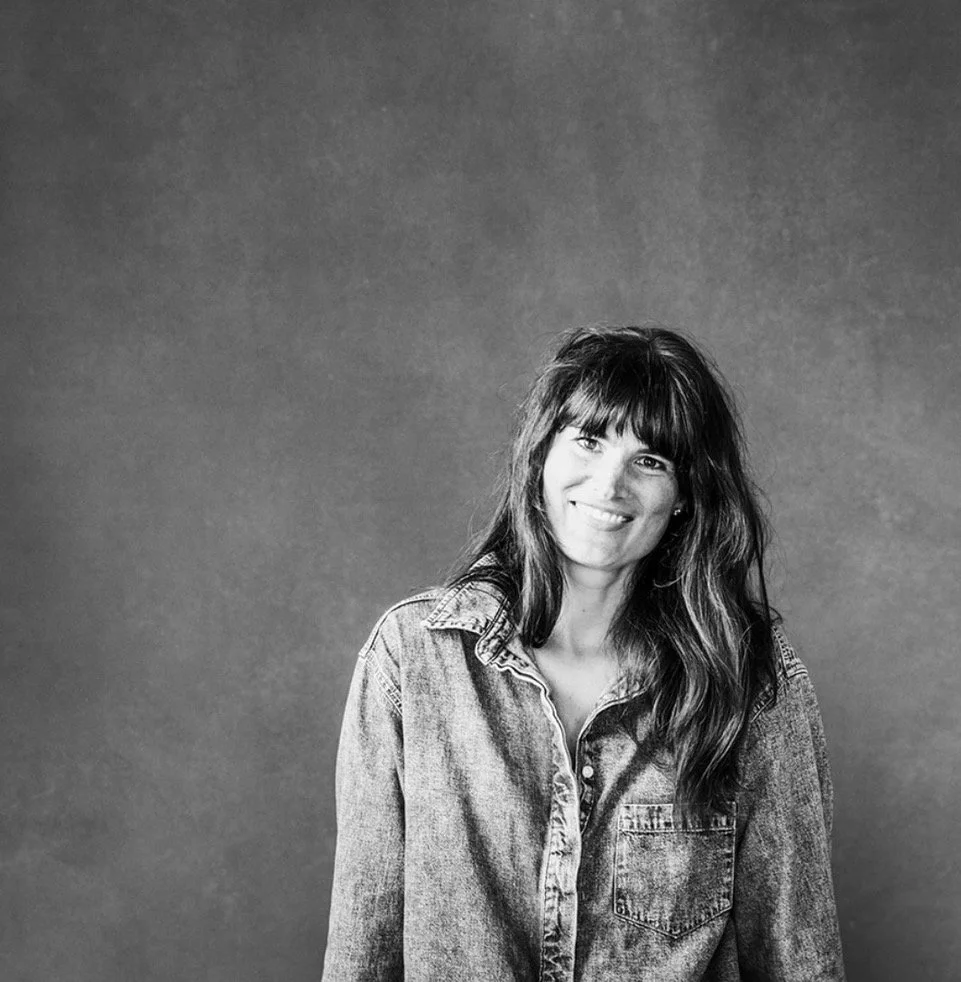
When I first came across The Next Path, I was struck by how intentional and rare it was, a referral-based community with genuine access to the art world. Not lectures, not guided tours in the traditional sense, but curated experiences that open up galleries, studios, and private collections in a way that feels personal and accessible.
Behind it is a third-generation founder who is less interested in teaching art and more focused on creating the conditions for people to engage with it, to ask questions, form opinions, and build confidence in their own perspective. The model is intentionally flexible, shaped by curiosity and access: monthly "get on the bus" days, intimate events, and international trips that weave in design, architecture, food, and fashion for a broader lens on culture.
I sat down with Tanner Kidd to understand how it all comes together, both as a business and as a unique way of engaging people in the arts, and what keeps people coming back.
Can you talk a bit about yourself and how you got into doing this?
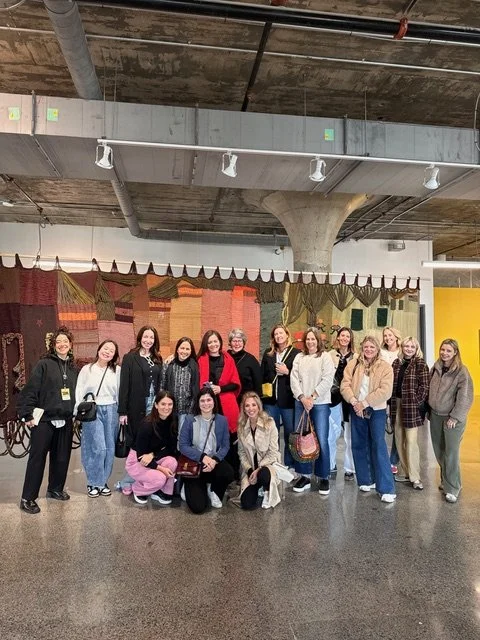
Tanner: I’m third-generation doing this. My grandmother took the Christi’s course in New York and started bringing friends to experience artists, restaurants, and theatre. My mom expanded that into tours and “get on the bus” days, 9 to 3, visiting collections, studios, and galleries. It was all about education and access. Growing up, we were exposed to art through my parents’ Saturday art days, going to galleries, and just being around it. When I lived in Berlin, I realized the way I met people and experienced the city was through the arts. So I came back, emailed 30 friends, and said I’d organize a bus. Sixteen signed up, and that started it. Now I run one day a month, usually on a Thursday. I don’t share much detail; I want people to come because they’re curious. A lot of people come solo. It’s a mix of people who want to learn something, see something, and have a day that’s taken care of.
Can you share how your business is structured?
Tanner: The Next Path is my business. “Get on the Bus” is one part of it, and it’s referral-based. I also do corporate tours, which are private, and events for my community. I don’t have a membership model. I don’t want one. I want people to come when it works for them. A lot of what I do happens organically — an artist is doing something interesting, and that becomes an event. I also do international trips.
There’s a confidence that grows from starting to build your own opinions, and I think creating a space where that feels safe is really important.
Did you study art?
Tanner: I’m fully led by exposure and connections. I’m the facilitator, and the artists and gallerists are the ones teaching. I often don't understand “art speak,” although I do fully believe you don't need that language to appreciate something. What I encourage instead is asking simple questions: what material is this, how was this made? Things that might seem obvious often aren’t. I once asked about what I thought was a pom-pom, and it turned out to be a type of spikey fur...something that looked soft was actually sharp. It completely shifted how I saw the piece.
There’s really no bad question, and the answer is not always what you expect. What I’ve seen is people start to build their own opinions. At first, they’re hesitant, and then they realize you can like something or not. That’s enough. There’s a confidence that grows from that, and I think creating a space where that feels safe is really important.
What inspired you to start this?
Tanner: I think it was the hope that other people would be interested in the arts ecosystem like I am. My grandmother, my mom, and my own curiosity. I wanted to create a community around learning and experiencing it.
“I wanted to create a community around learning and experiencing art.”
Why is this work important to you?
Tanner: I think culture is really important. Seeing different artists and perspectives helps you understand differences. Confidence is a big part of it, too, forming your own opinions. I also think people who come are open. I’m not forcing anything, but they’re willing to see something new and learn from it.
What do you think people are looking for when they come?
Tanner: I asked a friend about that, and she said she comes to feel rejuvenated, to see something she wouldn’t normally see. I think people want access to places they wouldn’t find on their own. Private collections are a big draw. But it’s also about having a day where they don’t have to plan anything. They trust that it’s been thought through. There’s something about being in a creative space with people who are all curious. Conversations happen naturally. People start making connections between artists, ideas, and things they haven’t seen before. And more importantly, they start forming opinions. It becomes a space where you’re not wrong. You can react, feel something, and that’s enough.
“I think culture is really important. Seeing different artists and perspectives helps you understand differences.”What’s the ROI for you — financially or otherwise?
Tanner: I don’t fully know yet from a financial perspective. But for me, it’s when people feel confident enough to buy something that isn’t mass-produced. Or when people who met on the bus run into each other and go for a drink. Or when collectors say the group is engaged and asking good questions. That’s what makes me want to keep doing it.
Is there something you’ve done recently that stands out?
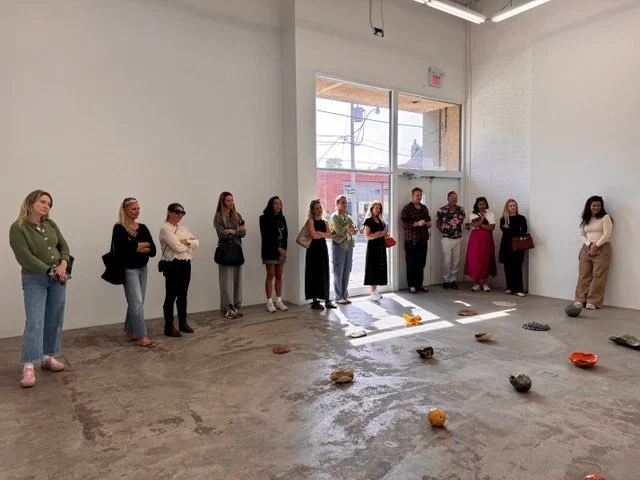
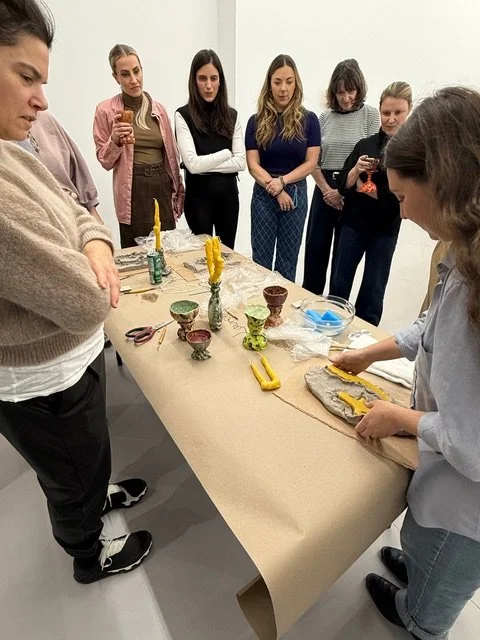
Tanner: I did an event at The Power Plant — an artist walked us through his exhibition, and then we did a floral arranging workshop in the space. Everyone had the same materials, but every arrangement was completely different. I’ve also done a candle-making event where people learned the full process from the artist. Again, everyone made something totally different. I think what works is combining learning, experiencing an artist’s world, and then doing something with your hands. I’d love to see more cross-pollination in the arts. Right now, everything feels siloed: ballet, symphony, galleries. Some of the most memorable experiences I’ve had are when those worlds come together, like an opera performance inside a gallery. I think there’s an opportunity to bring those things together in a more meaningful way.
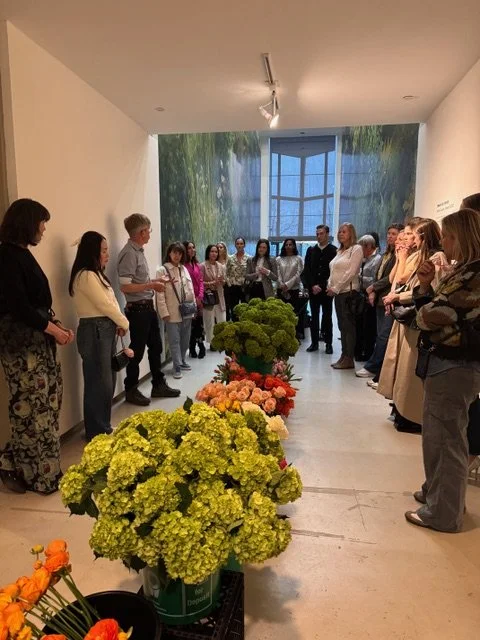
"If there’s one thing that comes through, it’s that this isn’t just about art, it’s about creating a space where people can be curious, form opinions, and connect in a way that feels real."How are you thinking about growing this?
Tanner: I think it’s figuring out how it evolves, how to engage our generation. I like that it’s intergenerational. The bus tends to be 30 to 55, and events can go up to 65. That mix adds something. Growth is tricky because it’s referral-based; we’re going into people’s homes. But I do want to grow the list. I’m still figuring out the balance between that and maintaining the experience. If there’s one thing that comes through, it’s that this isn’t just about art — it’s about creating a space where people can be curious, form opinions, and connect in a way that feels real. And that’s what keeps people coming back.
What’s one piece of advice for someone who wants to create more intentional gatherings?
Tanner: It comes down to intention, being clear on why you’re doing it. And then one detail that makes it feel different. I also believe in things like seating charts. I think about who sits where, who might need support, and who will connect. People don’t want to think about logistics. They want to show up, feel comfortable, and participate. That’s when you get the best out of people.
What is something coming up for The Next Path that you're excited about?
Something that is coming together quickly, and I think is going to be really great - I’m really excited to be working on a collaboration this May with 9th Editions, artist Ella Gonzales, and The Next Path, hosting a series of intimate dinners and gatherings inside an immersive installation.
Next 9 — Soft Setting. Stay tuned.
This interview was edited for length and clarity.
